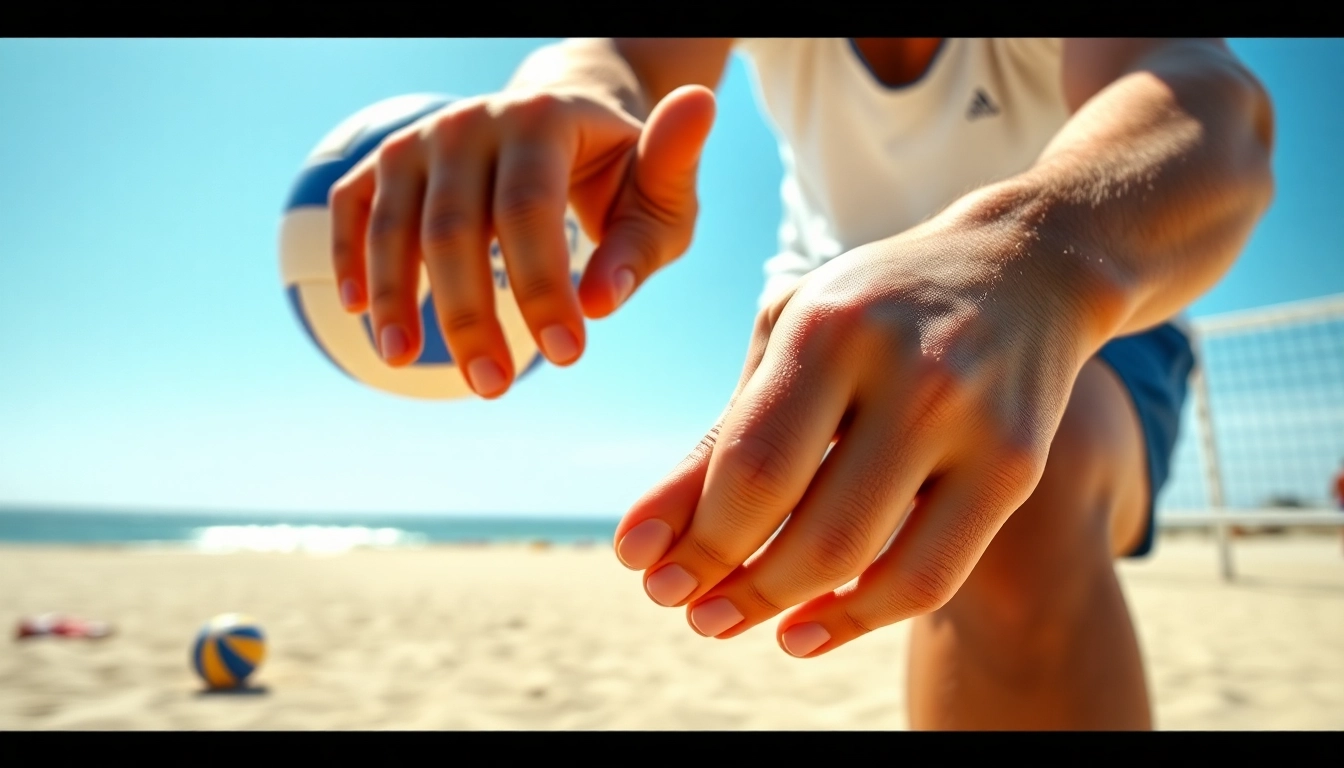
Understanding Volleyball Thumb Injuries
Volleyball is a high-impact sport that subjects players to various injuries, particularly affecting the fingers and thumbs due to the repetitive nature of blocking, spiking, and passing the ball. Among these injuries, thumb injuries are quite common, often resulting in discomfort and decreased performance. Understanding the types of injuries athletes may face and the necessary prevention methods can significantly improve their gameplay and ensure they are back on the court swiftly. Through proper protection and care, such as volleyball thumb taping, players can mitigate injury risks and enhance their gameplay.
Types of Thumb Injuries Common in Volleyball
There are several types of thumb injuries that volleyball players may encounter. The most prevalent include:
- Sprains: Caused by the ligaments surrounding the thumb being overstretched or torn, sprains can occur during falls or direct impacts.
- Strains: These occur when the muscles or tendons in the thumb are overstretched or torn, often happening during forceful hitting or passing.
- Dislocations: The thumb can become dislocated during high-impact collisions or awkward landings, leading to severe pain and instability.
- Fractures: In severe cases, the bones in the thumb can fracture from direct trauma or excessive force.
Symptoms to Look Out For
Identifying thumb injuries early can help prevent further damage. Key symptoms include:
- Pain: Pain around the joint, especially when moving the thumb or gripping.
- Swelling: Increased swelling at the base of the thumb or along the tendons.
- Bruising: Discoloration may appear around the injured area.
- Restricted Movement: Difficulty in moving the thumb or a feeling of instability.
The Importance of Proper Support and Protection
Proper support is crucial when it comes to thumb injuries in volleyball. Wearing appropriate protective gear such as thumb braces or applying techniques like thumb taping helps stabilize the joint, allowing athletes to continue playing safely. These supportive measures not only protect against further injury but also enhance performance by maintaining effective thumb function during gameplay.
Mastering the Basics of Volleyball Thumb Taping
Understanding how to tape your thumb correctly can provide the necessary support to prevent injuries or aid in recovery. Effective taping techniques keep the thumb secure while allowing for a range of motion critical for volleyball players.
Essential Tools and Materials for Taping
Before you begin the taping process, gather the following materials:
- Adhesive sports tape: A strong, flexible tape specifically designed for athletic use.
- Pre-wrap: Optional but helpful for protecting the skin from irritation from tape.
- Scissors: To cut the tape to desired lengths.
- A supportive brush or spray: To enhance tape adhesion if necessary.
Step-by-Step Guide to Volleyball Thumb Taping
Follow these steps to effectively tape your thumb for volleyball:
- Begin by cleaning the thumb area and ensuring that it is dry.
- If using pre-wrap, apply it around the base of the thumb and wrist to protect the skin.
- Start your tape application by wrapping an anchor around the wrist to provide a base.
- Next, apply a strip of tape around the base of the thumb, ensuring that it adheres snugly but not too tightly.
- Continue by wrapping the tape in a spiral around the thumb, creating a figure-eight pattern for added stability.
- Finish by securing the end of the tape on the wrist anchor and ensuring that all areas are adequately supported.
Common Mistakes to Avoid When Taping
Many athletes make mistakes that can lead to ineffective taping. Avoid the following:
- Not using enough tape: Insufficient taping can lead to instability.
- Too much tension: Taping too tightly can restrict blood flow and cause numbness.
- Skipping the anchor: Always secure an anchor to avoid slippage during activity.
- Neglecting skin preparation: Properly preparing the skin prevents irritation and enhances tape adhesion.
Advanced Techniques for Enhanced Support
Once you’ve mastered the basics of taping, consider integrating advanced techniques that provide even greater support and protection.
Variations of Volleyball Thumb Taping
Depending on the specific injury or prevention needs, there are several variations of thumb taping:
- Spica Tape Technique: This method involves wrapping the tape around the thumb and wrist in a way that immobilizes the thumb while allowing some flexibility.
- Figure 8 Technique: Similar to the basic method, this technique provides increased lateral stability and is especially useful for sprains.
Integrating Taping with Other Injury Prevention Strategies
Taping should be complemented with other injury prevention strategies, which may include:
- Strengthening exercises for the hand and wrist.
- Using braces or splints during play to provide additional support.
- Improving techniques in play to minimize the risk of injury.
Assessing Tape Types: What Works Best?
Different tapes have various qualities suited for specific needs. When selecting tape, consider:
- Elasticity: Choose a tape that provides flexibility but adequate support.
- Adhesive strength: Ensure the tape will stay in place during play.
- Water resistance: Some tapes perform better in wet conditions than others.
Real-Life Applications and Success Stories
Hearing from athletes who have successfully used taping techniques can provide motivation and insight into their effectiveness.
Athlete Testimonials on Effective Taping
Many athletes have reported positive experiences with thumb taping. For instance, a collegiate volleyball player states, “After starting to tape my thumb properly, I noticed a significant decrease in pain and felt more confident playing without fear of injury.”
Case Studies: Recovery with Proper Taping
Case studies have highlighted how systematic taping can enhance recovery. For example, a high school player recovering from a thumb sprain utilized the spica tape method, which allowed her to return to the court more rapidly while keeping her injury secure.
Professional Insights from Coaches and Trainers
Coaches emphasize that proper taping techniques have become integral in athlete training regimens. They recommend routine taping as part of pre-game preparation, especially for players prone to thumb injuries.
The Future of Volleyball Thumb Care and Taping Techniques
As sports continue to evolve, so too does the approach to injury care and prevention.
Emerging Trends in Sports Tape Technology
Innovations in sports tape technology are paving the way for better performance and injury management. New materials provide enhanced support while being more breathable and flexible.
Anticipating Changes in Training Protocols for 2025
As awareness of injury prevention grows, training protocols are likely to evolve, focusing more on individualized approaches based on an athlete’s unique needs, including tailored taping strategies.
Conclusion: Elevating Performance Through Proper Care
Proper thumb care and taping techniques are essential for volleyball players to enhance their performance and prevent injuries. By understanding the science of thumb taping, athletes can not only protect themselves but also maintain a competitive edge. As we look toward 2025, advancements in techniques and materials will continue to shape the future of sports injury management.