Understanding Central Heating Hidden Leaks
When maintaining a home, one vital aspect often overlooked is the central heating system and the potential for hidden leaks. Central heating hidden leaks can lead to significant issues if not promptly addressed, impacting home efficiency and safety. Understanding these leaks, their symptoms, and the consequences of negligence is crucial for homeowners.
What is a Central Heating Hidden Leak?
A central heating hidden leak refers to any undetected loss of water or fluid from the heating system components, including pipes, radiators, and connections that are not easily visible. These leaks can occur in areas such as walls, ceilings, and beneath floors, making them challenging to identify without specialized equipment. Common causes include deteriorating pipe materials, excessive pressure, and faulty fittings.
Common Symptoms of Hidden Leaks
Identifying a hidden leak in your central heating system can often be a challenge. However, there are several tell-tale signs that homeowners should watch for:
- Unexplained Water Stains: Wet patches or discoloration on walls, ceilings, or floors are clear indicators of a potential leak.
- Increased Energy Bills: A sudden rise in heating costs may indicate that your system is working harder due to a hidden leak.
- Cold Spots on Radiators: If some radiators are not heating up properly, it could mean a leak is affecting the system’s pressure or flow.
- Noises: Unusual hissing or gurgling sounds in pipes are often signs of water loss or air trapped in the system.
- Frequent Boiler Pressure Drops: If you find yourself regularly topping up your boiler’s pressure, this may indicate water escaping through a hidden leak.
Impact of Delayed Detection
Delaying action on a hidden leak can result in severe consequences beyond mere inconvenience. Water damage can lead to mold growth, structural issues, and damage to personal belongings. Furthermore, increased energy costs could arise from an inefficient heating system. To mitigate these risks, addressing signs of a central heating hidden leak as soon as they arise is crucial.
Identifying Hidden Leaks in Your Home
When it comes to identifying hidden leaks, there are both visual and auditory clues that can assist homeowners in pinpointing issues. Utilizing professional leak detection tools can also significantly enhance your chances of locating these elusive leaks.
Visual and Auditory Clues
As mentioned previously, visual indicators like water stains and damp patches can point towards leakage areas. Accompanying sounds such as gurgling in the system or dripping noises can also hint at underlying issues. Regular inspections of your heating system for these signs can help catch leaks early.
Use of Professional Leak Detection Tools
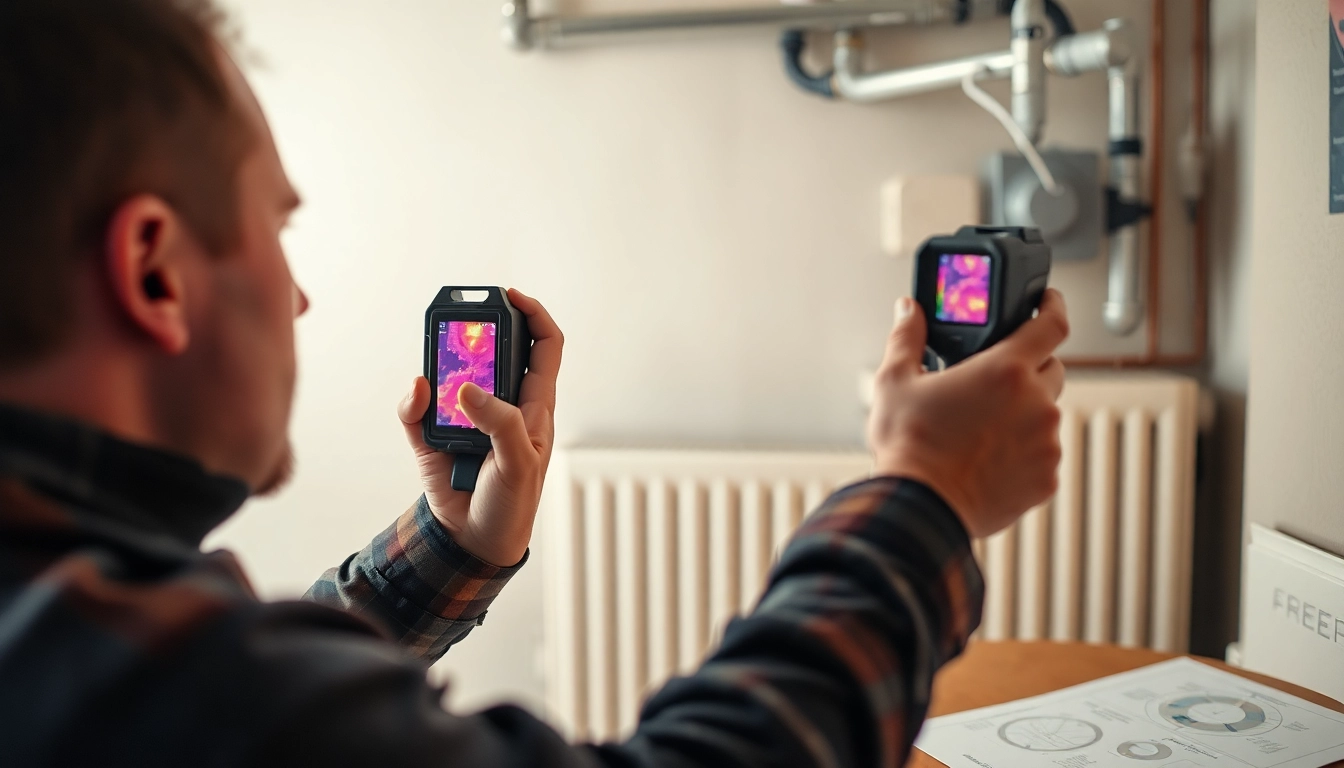
For those unable to locate the leak using visual or auditory cues, engaging a leak detection specialist equipped with advanced tools can be an excellent approach. Techniques like thermal imaging and pressure testing allow professionals to detect leaks with greater precision, ensuring timely and effective repairs.
When to Call a Leak Detection Specialist
If you suspect a hidden leak but cannot confirm it through available means, it is advisable to call in a professional. Ideally, you should contact a leak detection specialist if you see:
- Consistent pressure drops in your heating system
- Unusual moisture or mold growth in your home
- Significant spikes in heating bills without a clear cause
Advanced Techniques for Leak Detection
As technology advances, so do the methods employed for detecting leaks. Understanding how these technologies work can help homeowners appreciate their value and efficacy.
Thermal Imaging for Accurate Results
Thermal imaging cameras can detect temperature anomalies caused by leaks, showing a visual representation of areas where heat is escaping. This method is beneficial for locating leaks within walls and floors where traditional inspections would fail.
Acoustic Listening Devices Explained
Acoustic listening devices pick up the sound of escaping water or gas through pipes. These specialized tools can be invaluable in identifying leaks that are buried underground or hidden behind walls.
Pressure Testing: How It Works
Pressure testing involves monitoring pressure changes within isolated sections of pipes to confirm leak locations. This technique is effective for identifying leaks without unnecessary disruption to the system.
Preventing Future Central Heating Leaks
Preventative maintenance is key to avoiding future leaks in your central heating system. Implementing regular checks and understanding potential risks can save homeowners time and money.
Regular Maintenance Practices
- Annual System Checks: Schedule annual inspections with a qualified technician to check for early signs of wear and tear.
- Flush Your System: Regularly flushing your heating system can help remove sludge and debris, preventing blockages and corrosion.
- Monitor Pressure Levels: Keep an eye on the pressure gauge to ensure it remains within the recommended levels.
Upgrading to Modern Heating Solutions
Old heating systems are more prone to leaks. Upgrading to modern, energy-efficient heating solutions can reduce the risk of leaks significantly due to improved materials and more precise engineering.
Choosing Quality Installation and Repair Services
Always work with qualified professionals when installing or repairing your heating system. Quality workmanship reduces the risk of future problems, including leaks.
Case Studies and Real-World Applications
To understand the practical implications of leak detection, examining case studies can provide valuable insights into successful interventions and common pitfalls.
Successful Leak Detection Scenarios
Several homeowners have benefited from advanced leak detection services. In one case, a family faced escalating heating bills and increasing dampness in their living room. After employing thermal imaging technology, technicians were able to locate a leak behind the wall quickly, preventing further damage.
Lessons Learned from Past Mistakes
One common mistake homeowners make is waiting too long to address signs of a leak. In many instances, such delays resulted in extensive property damage that could have been avoided with timely action.
Expert Tips from Leak Detection Professionals
Experts recommend regular maintenance checks and prompt action upon noticing any symptoms of leaks. Additionally, they stress the importance of working with certified leak detection specialists for accurate and efficient solutions.
