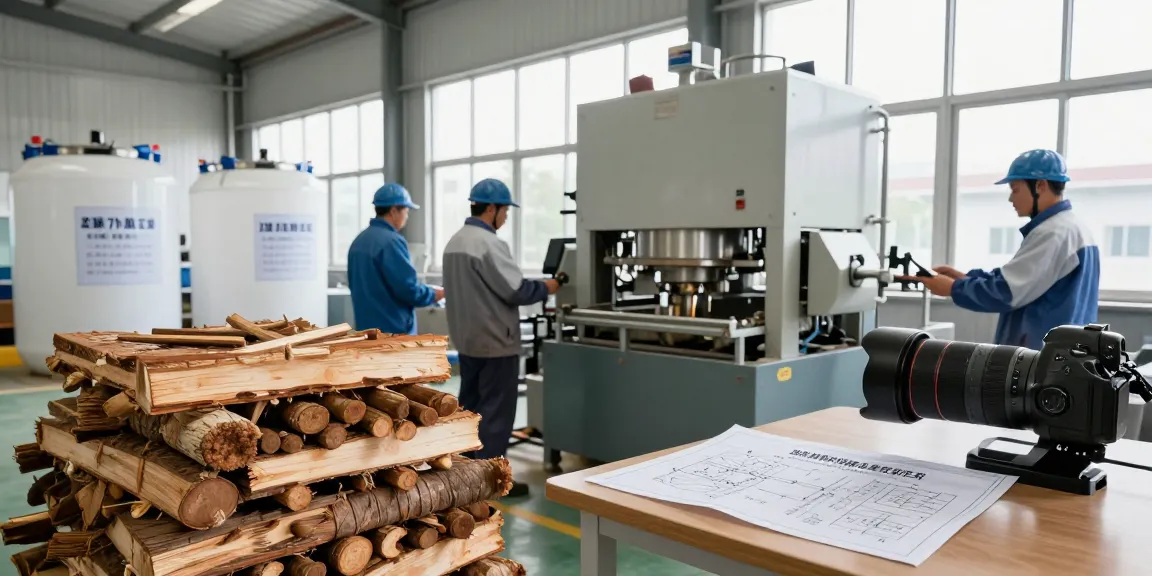
Understanding Jiefa Lignosulfonate Products
In the modern industrial landscape, lignin-based products have gained significant traction, particularly due to their versatility and sustainability. Among these products, Jiefa Lignosulfonate stands out as a leading solution, specifically tailored for various applications across multiple industries. This comprehensive guide will explore the features, applications, and advantages of Jiefa Lignosulfonate, while addressing the challenges faced by manufacturers and presenting best practices for its integration.
What is Jiefa Lignosulfonate?
Jiefa Lignosulfonate is derived from the sulfite pulping process of lignin, a natural polymer found in plant cell walls. This eco-friendly byproduct is composed of various phenolic compounds, making it a valuable resource in numerous industrial applications. With over 22 years of experience, Zhejiang Jiefa Technology Co., Ltd. has established itself as a reliable manufacturer of sodium lignosulfonate, providing high-performance dispersant solutions that cater to the evolving needs of different sectors.
Key Applications in Textile Dyestuff
The textile industry heavily relies on effective dye dispersants to achieve consistent color and stability. Jiefa Lignosulfonate significantly enhances dyeing processes by improving dispersion and uniformity. Its high solubility allows for better integration with various dyes, enabling manufacturers to produce vibrant colors that meet market demands. Additionally, its compatibility with different substrates ensures optimal performance in high-temperature dyeing processes, thus reducing production costs and enhancing overall output quality.
Innovations in Lead-Acid Battery Industry
In the realm of lead-acid batteries, Jiefa Lignosulfonate serves as a critical battery expander, contributing to enhanced performance, increased cycle life, and improved low-temperature capabilities. By promoting the suspension stability of active materials, it ensures that batteries maintain their efficiency over extended periods. As electric vehicles and renewable energy storage solutions gain popularity, the demand for improved battery technologies has surged, making the innovations brought forth by Jiefa Lignosulfonate crucial for manufacturers aiming to stay competitive in the evolving market.
Challenges Faced by Manufacturers
While lignin-based dispersants like Jiefa Lignosulfonate provide substantial benefits, manufacturers often encounter specific challenges that can affect production processes and overall product quality. Understanding these challenges and their solutions can lead to enhanced operational efficiency.
Inconsistent Product Quality Issues
Inconsistencies in product quality can lead to disruptions in manufacturing processes, resulting in wasted resources and increased costs. To combat these issues, Jiefa implements stringent quality control measures throughout its production chain, ensuring that each batch of lignosulfonate meets the highest industry standards. This commitment to quality allows manufacturers to rely on consistent performance when integrating Jiefa Lignosulfonate into their applications.
High Production Costs and Solutions
Manufacturers are often burdened with high production costs, influenced by raw material prices and processing expenses. Jiefa addresses this challenge by offering cost-effective alternatives to traditional dispersants, such as REAX and naphthalene-based solutions. By utilizing Jiefa Lignosulfonate, manufacturers can achieve significant cost savings without compromising on performance, thereby improving their bottom line.
Addressing Application-Specific Requirements
Every industry has unique application requirements that demand tailored solutions. Jiefa Lignosulfonate’s versatility allows for extensive customization, enabling manufacturers to achieve specific operational objectives. By working closely with clients to understand their distinct needs, Jiefa can develop specialized formulations that optimize performance across various applications, from textiles to agriculture.
Best Practices for Using Jiefa Lignosulfonate
To maximize the benefits of Jiefa Lignosulfonate, manufacturers must adopt best practices in its usage. These strategies can help enhance performance and ensure that the product is effectively integrated into existing processes.
Optimizing Concentration Levels for Maximum Efficiency
Finding the right concentration of Jiefa Lignosulfonate is critical for achieving optimal results. Manufacturers should conduct thorough testing to identify the ideal concentration that balances cost and performance. This approach not only enhances the effectiveness of the dispersant but also minimizes wastage, leading to a more sustainable production model.
Custom Solutions for Diverse Industries
Given the diverse applications of Jiefa Lignosulfonate, manufacturers should consider custom solutions that specifically address their industry needs. Whether in textile dyeing, battery production, or crop protection, tailored formulations can provide added value by enhancing performance and reducing costs while maintaining environmental sustainability.
Integrating Jiefa Lignosulfonate into Existing Production Processes
For successful integration, it is vital to assess current production processes and determine how Jiefa Lignosulfonate can complement existing materials. Collaboration with technical teams and adopting a phased approach to integration can ease the transition and help identify any potential challenges early on.
Future Trends in Lignosulfonate Applications
The future of lignosulfonate applications is poised for growth, driven by emerging technologies and increasing demand for sustainable solutions. Understanding these trends is essential for manufacturers looking to maintain a competitive edge.
Emerging Technologies by 2026
By 2026, advancements in processing technologies are expected to enhance the performance attributes of lignosulfonate products. Innovations such as nano-lignosulfonates and more efficient extraction methods will likely enter the market, providing manufacturers with tools to improve product efficacy and sustainability. Staying abreast of these developments will be crucial for companies aiming to leverage the full potential of Jiefa Lignosulfonate.
Sustainability Practices within the Industry
As industries increasingly prioritize sustainability, lignin-based solutions like Jiefa Lignosulfonate will play a critical role in promoting eco-friendly practices. Manufacturers are expected to adopt greener production processes that minimize waste and emissions, reinforcing the importance of lignosulfonate as a sustainable alternative to traditional chemical dispersants.
Market Predictions and Growth Opportunities
Market research indicates that the demand for lignosulfonate products is set to rise significantly, especially within the agricultural and renewable energy sectors. Companies that innovate and adapt to these market dynamics can capitalize on growth opportunities, positioning themselves as leaders in the lignin-based solution market.
Frequently Asked Questions
What are the benefits of using Jiefa Lignosulfonate?
Jiefa Lignosulfonate offers numerous benefits, including enhanced dispersion and stability in various applications, cost-effective performance, and reduced environmental impact due to its bio-based origin.
How does lignosulfonate compare to traditional dispersants?
Lignosulfonate presents a more sustainable option compared to traditional dispersants such as naphthalene sulfonate. It provides similar or improved performance characteristics while being derived from renewable resources, thus contributing to a lower carbon footprint.
What industries rely on Jiefa Lignosulfonate products?
Key industries that utilize Jiefa Lignosulfonate include textiles, lead-acid battery manufacturing, agriculture, and construction. Each sector benefits from the unique properties of lignosulfonate, tailored to meet their specific needs.
Can Jiefa Lignosulfonate improve production efficiency?
Yes, using Jiefa Lignosulfonate can enhance production efficiency by improving material dispersion, reducing waste, and enabling higher quality outputs, ultimately leading to cost savings for manufacturers.
What are the environmental impacts of lignosulfonate production?
The production of lignosulfonate is generally associated with lower environmental impacts compared to synthetic chemical alternatives. Its bio-based nature means it is derived from a renewable resource, making it more sustainable and eco-friendly.